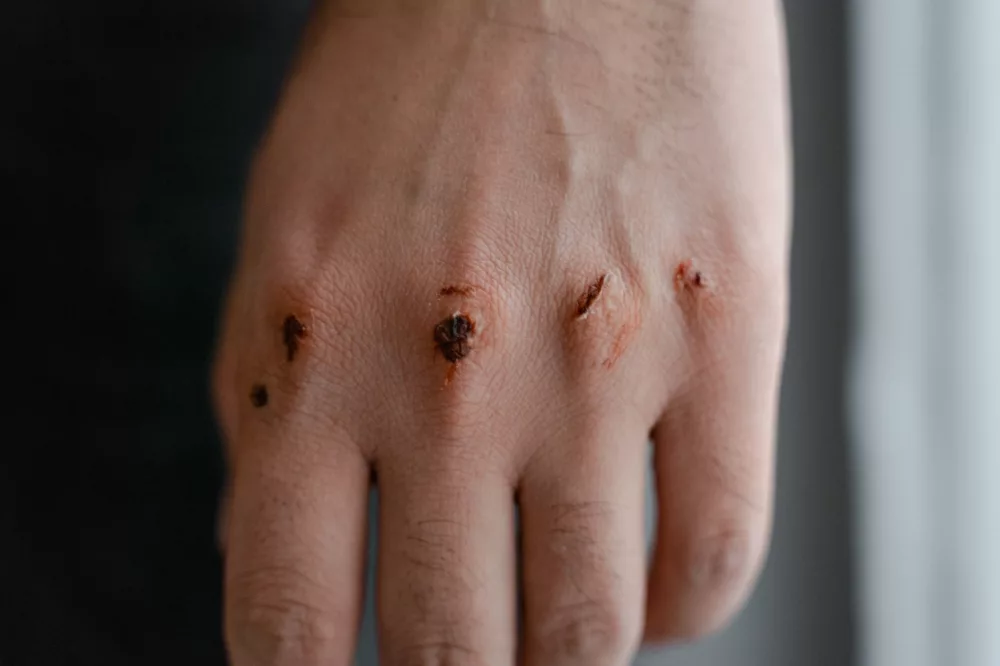
You know that feeling when you've spent a little too long in the bathtub or had a bandage on for days, and your skin looks all white, wrinkly, and soft? That's maceration right there, albeit in a mild, temporary form. But what happens when that state becomes prolonged or severe? That's where macerated skin becomes a real issue, far beyond just a harmless cosmetic annoyance. It's a condition where the skin softens and breaks down due to excessive exposure to moisture, and believe me, it can open up a Pandora's box of problems.
What Exactly Is Macerated Skin?
At its core, maceration describes skin that has been continuously wet for an extended period. Think about what happens to a sponge when it's left in water – it becomes waterlogged, expands, and loses its structural integrity. Our skin, particularly the outermost layer, the stratum corneum, reacts similarly. This layer is usually tough, serving as our body's primary shield against the outside world, keeping irritants out and vital moisture in. When it's overhydrated, however, it softens, swells, and eventually breaks down. It often takes on a tell-tale white, soggy, or wrinkled appearance, sometimes resembling a prune, and might even start to peel away.
Why Does Our Skin React This Way?
Our skin isn't designed for constant submersion or dampness. It needs a certain balance. The natural lipids and proteins in the stratum corneum work like mortar between bricks, forming a protective barrier. When moisture saturates this layer, these components can leach out, and the 'bricks' (skin cells) swell up. This weakens the entire structure, making it incredibly fragile and susceptible to damage from even minor friction or pressure. It's like building a wall with soggy bricks – it just won't hold up.
The Hidden Dangers: Why Maceration Isn't Just a Minor Annoyance
I've seen countless patients where what started as a simple damp patch turned into a much bigger headache. Macerated skin is more than just unsightly; it seriously compromises the skin's protective function. Here's why it's a big deal:
- Increased Susceptibility to Infection: A softened, broken down skin barrier is an open invitation for bacteria, fungi, and other pathogens. These microorganisms absolutely thrive in warm, moist environments. Once the skin's integrity is compromised, infections like cellulitis or fungal infections (candidiasis) can set in quickly, making things much worse.
- Impaired Wound Healing: If maceration occurs around a wound, it can significantly delay the healing process. The fragile, damaged skin around the wound edges struggles to migrate and close the wound effectively. It can also lead to the wound itself becoming larger or deeper, because the surrounding skin just can't support the healing process.
- Pain and Discomfort: Macerated skin is often tender, itchy, or even painful. Friction against clothing or bedding can cause burning or stinging sensations, leading to considerable discomfort and reduced quality of life.
- Skin Stripping: Adhesives from bandages or medical tapes can cause even more damage when applied to macerated skin. Removing them can strip away layers of already weakened skin, creating new wounds or enlarging existing ones.
Common Scenarios Where Maceration Pops Up
Maceration isn't just one thing, it crops up in various situations. We often encounter it in a few key areas:
1. Around Wounds and Ostomies
This is probably one of the most common places I see severe maceration. Exudate, or wound fluid, if not properly managed, can pool around the wound edges. Similarly, with an ostomy, the effluent can leak and cause significant skin breakdown around the stoma. Choosing the right dressing or ostomy appliance and ensuring a proper seal are absolutely critical here.
2. Incontinence-Associated Dermatitis (IAD)
For individuals dealing with urinary or fecal incontinence, maceration is a constant threat. Urine and feces not only contain moisture but also enzymes and chemicals that are highly irritating to the skin, especially when trapped against it for prolonged periods. This combination of moisture and irritants can lead to widespread maceration and inflammation.
3. Skin Folds and Sweaty Areas
Areas where skin rubs against skin, like under the breasts, in the groin, between toes, or in abdominal folds, are breeding grounds for moisture. Sweat, coupled with friction and limited air circulation, creates an ideal environment for maceration to develop. This can often lead to intertrigo, an inflammatory skin condition that is frequently complicated by fungal infections.
4. Under Occlusive Dressings or Tapes
While some dressings are designed to manage moisture, others, particularly older types or improperly applied ones, can trap moisture against the skin. Prolonged use of adhesive tapes without allowing the skin to breathe can also lead to maceration, especially in sensitive individuals.
5. Infant Care
Diaper rash, a very common ailment for infants, is essentially a form of maceration caused by prolonged exposure to urine and stool. Their delicate skin is particularly vulnerable.
Recognizing the Signs: What to Look For
Spotting maceration isn't too tricky once you know what to look for. The skin might appear:
- White, pale, or bleached
- Wrinkled or pruney
- Soft and soggy to the touch
- Easily torn or peeled
- Sometimes red or inflamed underneath the white areas
- It might even have a distinct, somewhat sweet or sour odor if infection is present.
Putting a Stop to It: Prevention Strategies
The best approach to macerated skin is always prevention. It's often easier to prevent it than to treat it once it's severe:
- Effective Moisture Management: For wounds, use dressings that absorb excess exudate without drying out the wound bed. For incontinence, use highly absorbent pads or briefs and change them frequently.
- Skin Barrier Products: Apply barrier creams, ointments, or no-sting barrier films to protect the skin from moisture and irritants. These create a protective layer on the skin's surface.
- Regular Skin Cleansing and Drying: Gently cleanse the skin with a pH-balanced cleanser and ensure it's thoroughly, yet gently, dried afterwards. Pat, don't rub.
- Promote Air Circulation: Allow skin to air dry whenever possible. For skin folds, consider using soft cloths or special products to keep surfaces from touching directly.
- Choose Appropriate Dressings and Products: Opt for breathable materials. For individuals with incontinence, selecting the right size and absorbency of products is crucial to prevent leakage and skin contact with moisture.
Treating Macerated Skin: A Step-by-Step Approach
If maceration has already set in, the treatment focuses on reversing the damage and promoting healing:
- Address the Root Cause: This is non-negotiable. If it's wound exudate, switch to more absorbent dressings or increase dressing change frequency. If it's incontinence, improve hygiene practices and use better barrier products.
- Gently Cleanse and Dry: Clean the affected area with a mild cleanser and pat dry. Avoid harsh rubbing.
- Apply Barrier Protection: Continue using barrier creams or films to shield the vulnerable skin from further moisture exposure. Zinc oxide-based products are often very effective.
- Use Appropriate Dressings (if applicable): For macerated skin around wounds, select dressings that can manage moisture effectively without causing further irritation. Sometimes, foam dressings or absorbent pads are great for this.
- Monitor for Infection: Keep a close eye out for signs of infection such as increased redness, warmth, swelling, pus, or a foul odor. If these appear, medical intervention, possibly antibiotics or antifungals, will be needed.
It's vital to remember that managing macerated skin requires patience and consistency. What looks like a simple issue can quickly escalate if not given the attention it deserves. Always prioritize keeping the skin dry and protected, and if you're ever concerned about the severity or persistence of maceration, particularly around a wound or in a vulnerable individual, please don't hesitate to consult with a healthcare professional. They can offer tailored advice and ensure the best course of action.